Coloring Pages for Children with Special Needs & Autism — A Therapeutic Guide
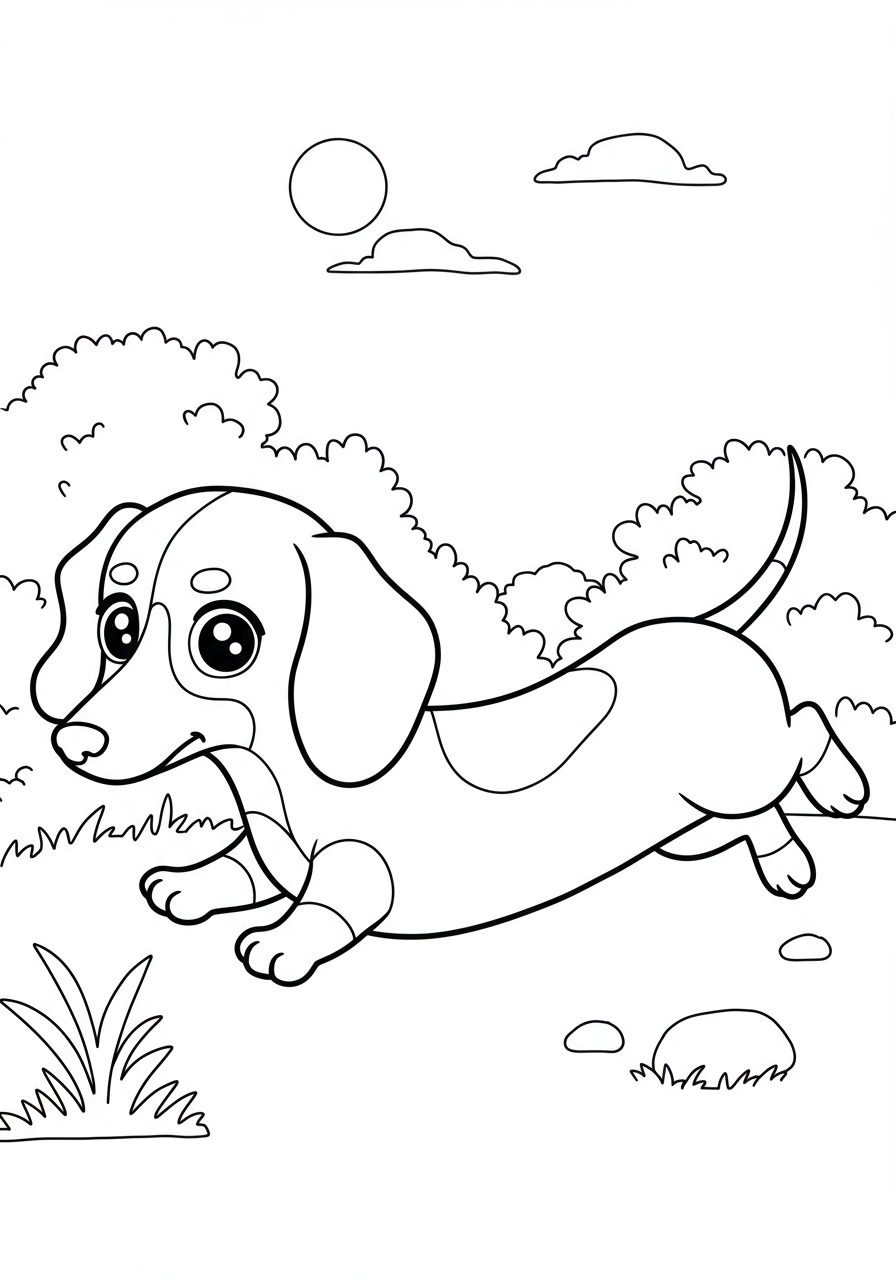
Coloring isn't just a fun activity — for children with autism spectrum disorder (ASD) and other special needs, it can be a powerful therapeutic tool that supports development, communication, and emotional regulation.
This guide covers how to choose the right coloring pages, adapt activities for different needs, and maximize the therapeutic benefits.
Why Coloring Helps Children with Special Needs
Sensory Regulation
- The pressure of crayon on paper is grounding
- Visual focus on colors and patterns is calming
- The repetitive motion creates a soothing rhythm
- There are no unexpected sounds or textures
Communication Alternative
For children who struggle with verbal communication, coloring offers a non-verbal expression channel. Their color choices, pressure, and style can communicate emotions that words cannot.
Routine and Structure
- It has a clear beginning (choose page + colors) and end (finished page)
- The process is predictable and repeatable
- It can become a calming part of daily routine
- Transitions can be managed ("After coloring, we eat lunch")
Fine Motor Development
- Grip strength development
- Hand-eye coordination improvement
- Bilateral coordination (holding paper and coloring)
- Crossing midline practice
Choosing the Right Pages
For Children with Autism
- Thick, clear outlines — Reduces ambiguity about where to color
- Minimal background clutter — Reduces sensory overwhelm
- Familiar subjects — Characters or objects from the child's special interests
- Symmetrical designs — Mandalas and patterns are often preferred
- Predictable layouts — Similar page structure each time
- Overly detailed or busy pages
- Abstract or ambiguous images
- Pages with very small sections
- Unfamiliar or potentially scary imagery
For Children with ADHD
- Moderately detailed — Enough complexity to maintain interest
- Themed series — Pages that tell a story across multiple sheets
- Timer-friendly — Pages that can be completed in 15-20 minutes
For Children with Motor Difficulties
- Extra-thick outlines (5mm+)
- Large coloring areas
- Minimal fine detail
- Printed on heavier paper (prevents tearing and sliding)
Adaptive Coloring Strategies
Environmental Setup
- Reduce distractions — Quiet area, minimal visual clutter
- Secure the paper — Tape corners to table or use a clipboard
- Comfortable seating — Proper chair height, feet flat on floor
- Visual schedule — Show what comes before and after coloring
Tool Adaptations
| Need | Adaptation |
|---|---|
| Weak grip | Chunky crayons, crayon wraps, built-up handles |
| Tremor/shaking | Weighted crayons, markers (less pressure needed) |
| Sensory sensitivity | Beeswax crayons (softer, no smell), silk crayons |
| Limited range of motion | Tilted desk surface, adapted crayon holders |
| Visual impairment | High-contrast outlines, textured coloring pages |
Social Stories with Coloring
- Create coloring pages that illustrate social situations
- The child colors while you narrate the story
- Discuss feelings and appropriate responses
- Use the finished page as a visual reminder
Therapeutic Goals Through Coloring
| Goal | Activity |
|---|---|
| Emotional regulation | "Color how you feel" — match colors to emotions |
| Following directions | "Color the dog brown and the sky blue" |
| Choice-making | "Which color do you want to use next?" |
| Patience/persistence | Working on one page over multiple sessions |
| Social interaction | Parallel coloring, sharing supplies |
| Transition practice | Using a timer for coloring start/stop |
What Therapists Say
Occupational therapists, art therapists, and special education teachers frequently use coloring as part of therapy programs because:
- It's non-threatening — No performance anxiety
- It's flexible — Can be adapted for virtually any ability level
- It provides measurable progress — Grip improvement, staying in lines, sustained attention
- It creates tangible output — A finished page to be proud of
- It's portable — Can be done in any setting
Free Resources
- Simple Animal Pages — Clear outlines, familiar subjects
- Mandala Pages — Symmetrical, calming patterns
- Educational Pages — Structured learning pages
- AI Generator — Create pages based on specific interests (try: "simple outline of [child's special interest]")
Every child deserves access to creative expression. With the right adaptations, coloring can be a joyful, therapeutic experience for children of all abilities. 🌈
Written by Sarah Chen
Sarah is an art education specialist and the founder of ColorJoy Prints. With a background in child development and over 5 years of experience in educational content, she creates evidence-based resources that make learning fun through creative activities.