10 Coloring Tips & Techniques for Beautiful Results — Beginner's Guide
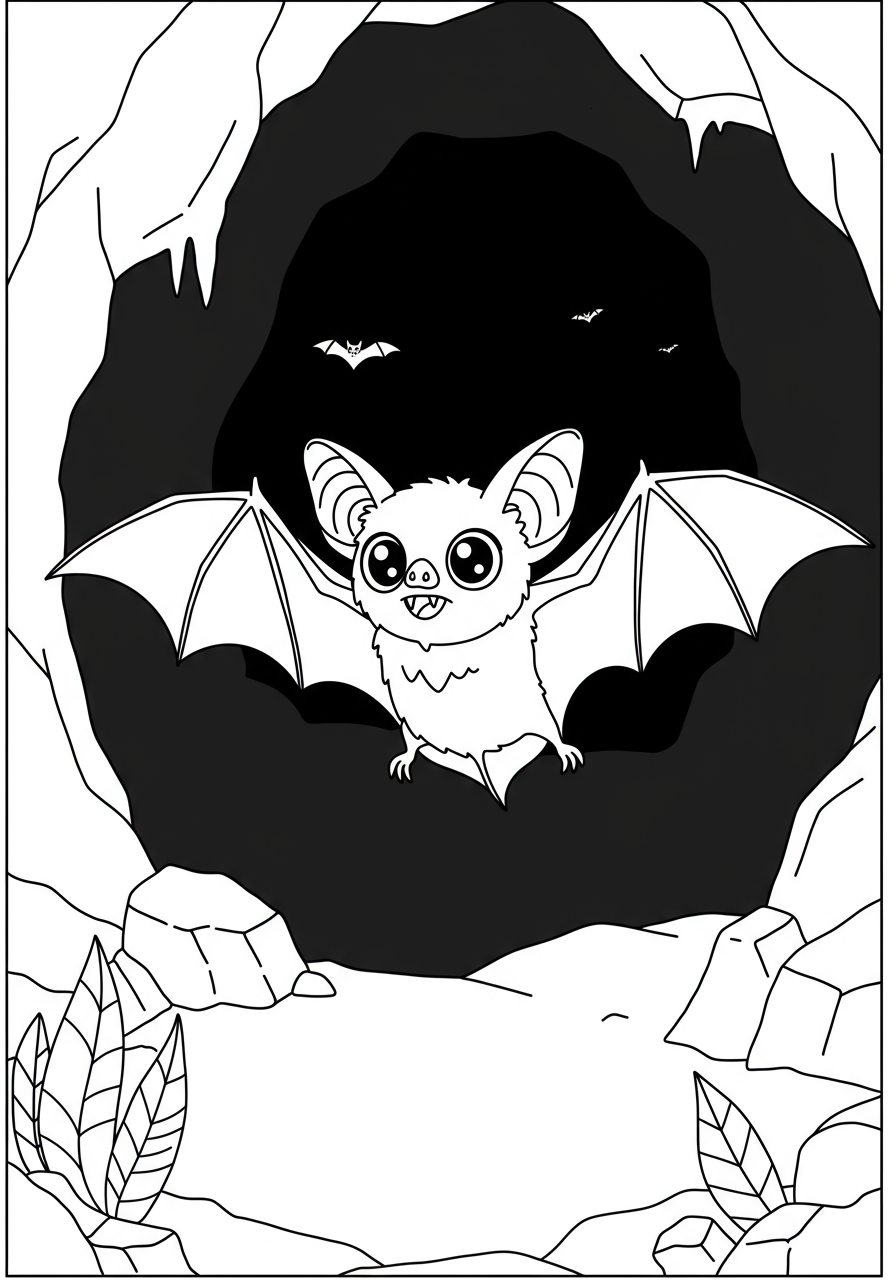
Want your coloring pages to look amazing? Whether you're a kid just starting out or an adult rediscovering the joy of coloring, these 10 essential techniques will transform your pages from flat and boring to vibrant and professional.
1. Pressure Control — The Foundation
The single most important coloring skill is pressure control — how hard you push.
- Light pressure: Soft, pastel-like coverage. Good for backgrounds, skies, and skin tones.
- Medium pressure: Standard coloring. Even, solid coverage.
- Heavy pressure: Deep, saturated color. Use for shadows and bold areas.
Practice exercise: Draw three circles. Color one with light pressure, one medium, one heavy — all with the same crayon. Notice the difference!
2. Color in One Direction
Instead of scribbling randomly, color in consistent strokes going one direction (usually up-down or side-to-side). This creates a much smoother, more professional look.
Tip: Follow the shape of the object. For a round ball, use curved strokes. For a flat wall, use straight horizontal strokes.
3. Start Light, Layer Dark
Always begin with lighter colors and layer darker ones on top. You can always add more color, but you can't easily remove it.
- Apply a light base color across the area
- Add medium tone to most of the area
- Add dark tone only to shadows
- Blend by going over lightly with the lighter color
4. Color the Outline Last
Many people start by coloring along the outline, but this often creates a dark border effect. Instead:
- Start from the center of each section
- Work outward toward the edges
- Fill in along the outline last with careful, lighter strokes
This creates a cleaner, more blended look.
5. Blending Basics
Blending creates smooth color transitions — the secret to professional-looking coloring.
With Colored Pencils - Color the first color with medium pressure - Overlap the second color where they meet - Use a white pencil or blending stump to smooth the transition
With Crayons - Layer colors with light pressure - Use your finger (clean!) to gently smudge the border area - Or layer a lighter shade on top of both colors
6. Understanding Color Harmony
Complementary Colors (High Contrast) - Red ↔ Green - Blue ↔ Orange - Yellow ↔ Purple
Use these pairs to make elements POP against each other.
Analogous Colors (Smooth Harmony) - Red → Orange → Yellow - Blue → Purple → Pink - Green → Teal → Blue
Use these for gradients and blended sections.
Warm vs. Cool Colors - **Warm:** Red, orange, yellow (feel energetic, close) - **Cool:** Blue, green, purple (feel calm, distant)
7. Adding Shadows and Highlights
Where Are Shadows?
Imagine a light source in the upper-left corner (this is standard in art). Shadows fall on the lower-right side of objects.
How to Add Them 1. Color the entire area with the base color 2. Add a **darker shade** on the shadow side 3. Leave the light side slightly lighter or add **white/light yellow** highlights
8. Background Techniques
Gradient Sky 1. Start with light yellow at the horizon 2. Add orange above that 3. Add pink/salmon above that 4. Finish with blue at the top 5. Blend where colors meet
Simple White Background
Sometimes no background is best! A clean white background makes colorful subjects pop.
Patterned Background
Add simple patterns: dots, stars, hearts, or diagonal lines in a light color.
9. Fixing Mistakes
- Colored pencil: Erase gently with a kneaded eraser
- Went outside the lines: Color the surrounding area to hide it
- Too dark: Layer a lighter color on top to soften
- Crayon on wrong area: Cover with a sticker and make it a design element!
10. Finishing Touches
- White gel pen for highlights, sparkles, and small details
- Black fine-tip marker to re-define outlines that got colored over
- Glitter glue for special sparkle effects
- Sign your work! Every artist signs their art
Practice with Free Pages
Get free coloring pages to practice these techniques:
- Simple Pages — Practice basics with simple designs
- Detailed Pages — Challenge yourself with mandalas
- Create Custom — Generate pages at your preferred difficulty
The most important tip? Have fun! There are no rules in coloring — only suggestions. 🎨
Written by Sarah Chen
Sarah is an art education specialist and the founder of ColorJoy Prints. With a background in child development and over 5 years of experience in educational content, she creates evidence-based resources that make learning fun through creative activities.