10 Surprising Benefits of Coloring Pages for Child Development (Backed by Research)
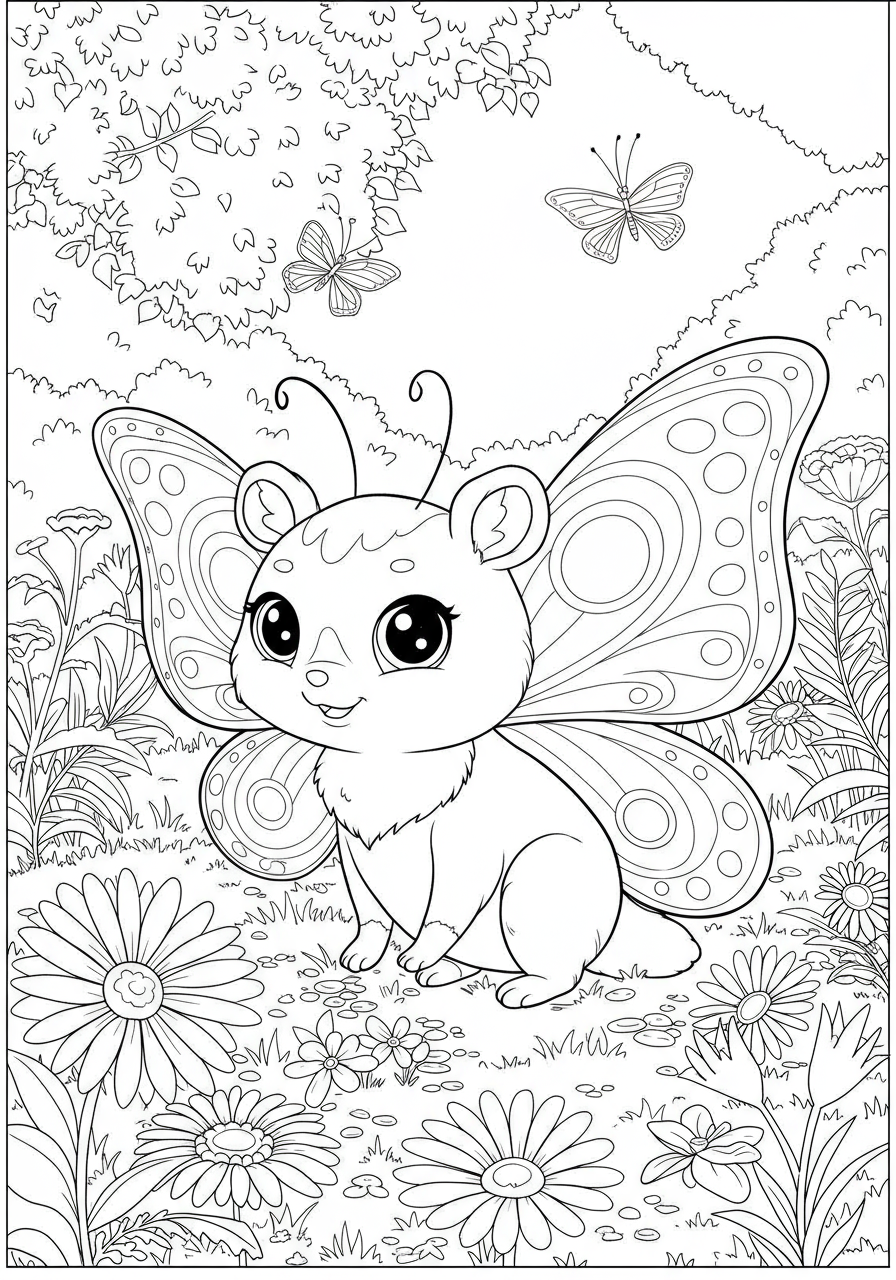
When your child sits down with a set of crayons and a coloring page, they're doing something far more important than just having fun. Coloring is one of the most effective developmental activities available to young children — and the science backs it up.
Let's explore 10 research-backed benefits of coloring that every parent and teacher should know about.
1. Fine Motor Skill Development
Coloring requires children to grip writing instruments and control their hand movements with precision. This is the same skill set needed for handwriting, buttoning shirts, using scissors, and tying shoelaces.
A 2019 study published in the *Journal of Hand Therapy* found that children who regularly engaged in coloring activities showed significantly improved grip strength and dexterity compared to peers who didn't.
How to maximize this benefit: Start with thick crayons for toddlers (ages 2-3), then progress to regular crayons (ages 3-4), colored pencils (ages 5+), and fine-tipped markers (ages 7+).
2. Color Recognition and Vocabulary
Coloring is one of the most natural ways for children to learn about colors. As they choose and name colors, they build their color vocabulary and develop the ability to distinguish between similar shades.
- "What color are you using for the flower?"
- "Can you mix red and blue? What color does that make?"
- "Let's count how many different greens we can find in the crayon box."
3. Focus and Concentration
Completing a coloring page requires sustained attention. For young children, this is a crucial skill that directly translates to academic readiness.
A child who can focus on coloring a page for 15-20 minutes is developing the same concentration muscles they'll need for reading, math problems, and classroom instructions.
- Toddlers (2-3): 5-10 minutes
- Preschoolers (4-5): 10-15 minutes
- Early elementary (6-8): 15-30 minutes
- Older kids (9-12): 30-60 minutes
Don't worry if your child doesn't finish a page in one sitting. The process matters more than completion.
4. Hand-Eye Coordination
Coloring within boundaries requires the eyes and hands to work together. The child must see the outline, judge the distance to the edge, and control the crayon accordingly.
- Writing and drawing
- Catching and throwing balls
- Using utensils while eating
- Playing musical instruments
- Typing on a keyboard
5. Creativity and Self-Expression
There's no "wrong" way to color a coloring page. A purple elephant? A rainbow-colored cat? Absolutely!
When children make creative color choices, they're expressing their personality and developing their unique artistic voice. This creative freedom builds confidence and teaches them that their ideas have value.
Tip: Resist the urge to correct "unrealistic" color choices. When your child colors a tree orange and the sky green, they're not making a mistake — they're being creative.
6. Stress Relief and Emotional Regulation
Coloring has been shown to lower cortisol levels (the stress hormone) in both children and adults. The repetitive, focused motion of coloring activates the parasympathetic nervous system, producing a calming effect similar to meditation.
- Pediatric hospitals — To help children cope with medical treatments
- Schools — As calming activities during transitions or after recess
- Therapy sessions — To help children process and express emotions
If your child is feeling anxious, angry, or overwhelmed, offering them a coloring page can be a wonderful way to help them self-regulate.
7. Spatial Awareness
Coloring within defined boundaries teaches children about spatial relationships — where objects are in relation to each other, how much space they take up, and where one section ends and another begins.
- Mathematics (especially geometry)
- Reading (tracking text from left to right)
- Physical activities (navigating spaces)
- Art and design
8. Planning and Decision Making
- Which colors to use?
- Where to start?
- Should adjacent sections be different colors?
- What color combination would look good?
These decisions, however small they may seem, exercise the prefrontal cortex — the area of the brain responsible for planning, problem-solving, and decision-making.
9. Language Development
Coloring naturally encourages conversation. When you sit with your child while they color, you create opportunities for rich language development:
- Naming objects in the picture ("That's a butterfly!")
- Describing actions ("The dog is running really fast")
- Telling stories ("What do you think the princess is going to do next?")
- Learning new vocabulary ("That kind of dinosaur is called a stegosaurus")
This is especially powerful for bilingual families — coloring pages provide visual context that makes it easier to teach vocabulary in multiple languages.
10. Preparation for Academic Learning
Coloring is often a child's first structured "academic" activity. It teaches them to:
- Follow instructions ("Color the apple red")
- Complete tasks
- Work independently
- Sit at a table and focus
- Hold a writing instrument correctly
Kindergarten teachers consistently report that children who have regular coloring experience before school are better prepared for the academic demands of the classroom.
How to Make the Most of Coloring Time
Choose Age-Appropriate Pages
Not all coloring pages are created equal. Too complex, and your child will get frustrated. Too simple, and they'll get bored.
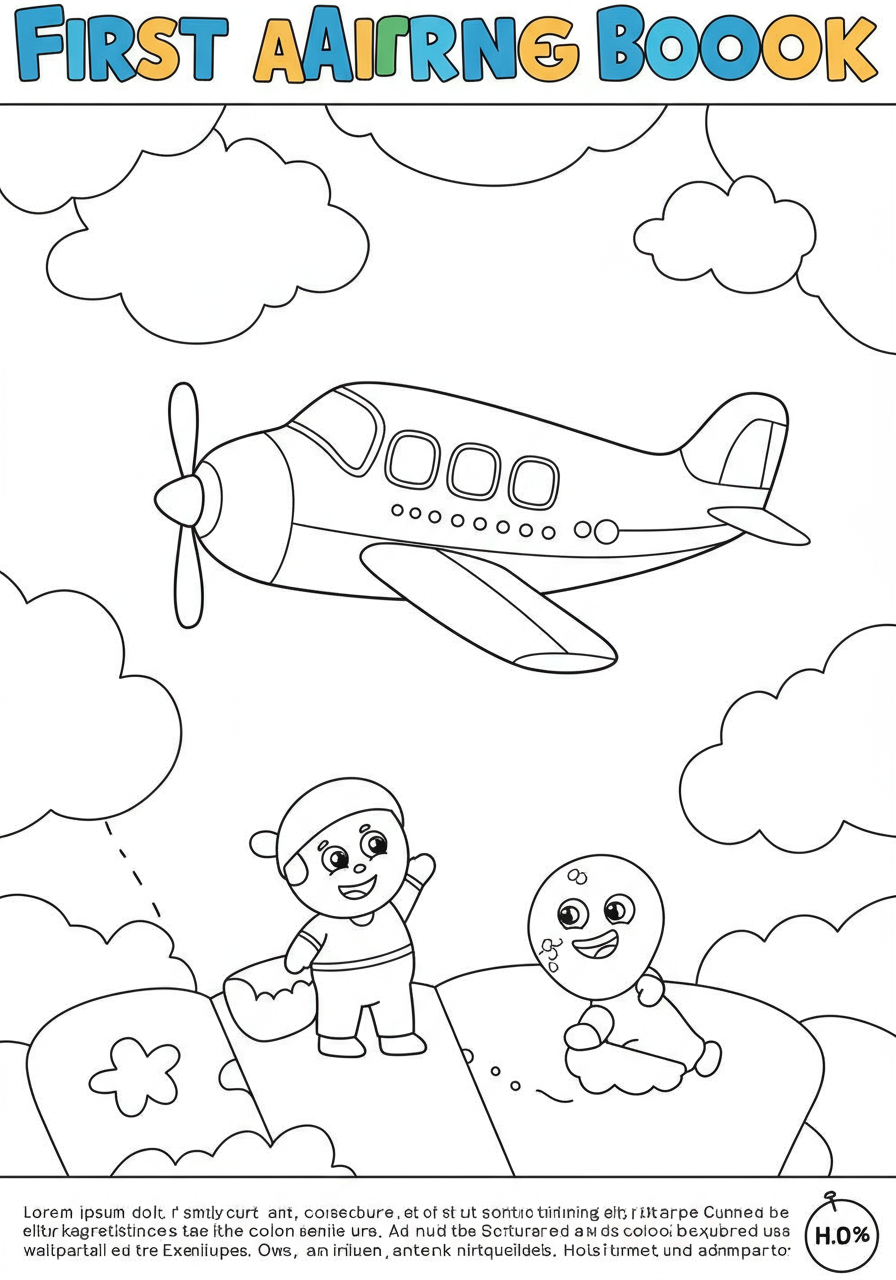
- Ages 2-4: Large shapes, thick outlines, minimal detail (try our Cute & Simple style)
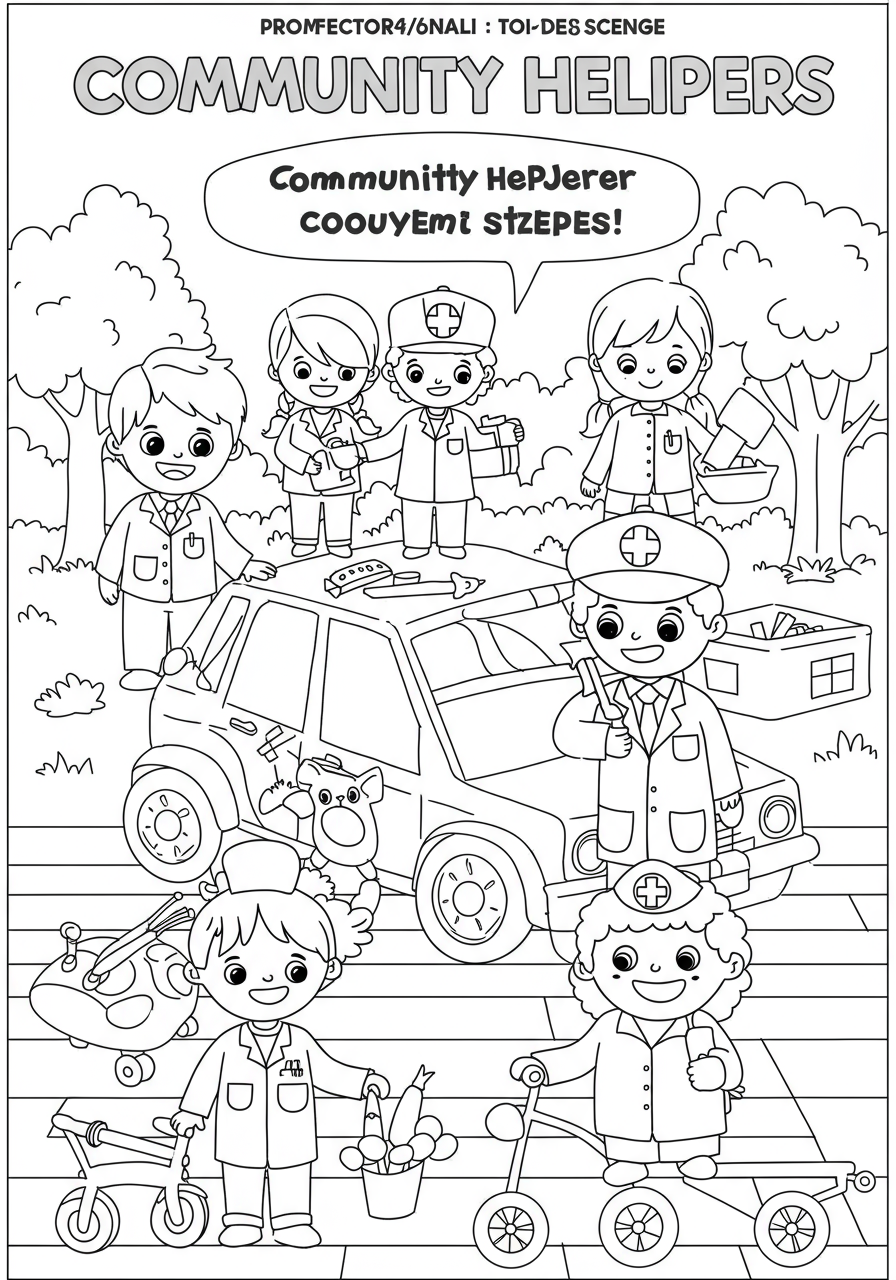
- Ages 5-7: Moderate detail, recognizable scenes and characters
- Ages 8-12: Detailed designs, mandalas, and complex scenes
Provide Quality Supplies
You don't need expensive art supplies, but the right tools make a big difference:
- Crayons — The classic choice. Great for all ages. Virtually unbreakable.
- Colored pencils — Better for fine details. Best for ages 5+.
- Markers — Vibrant colors. Use washable ones for younger kids!
- Gel pens — Fun for adding sparkle and detail. Ages 8+.
Make It Social
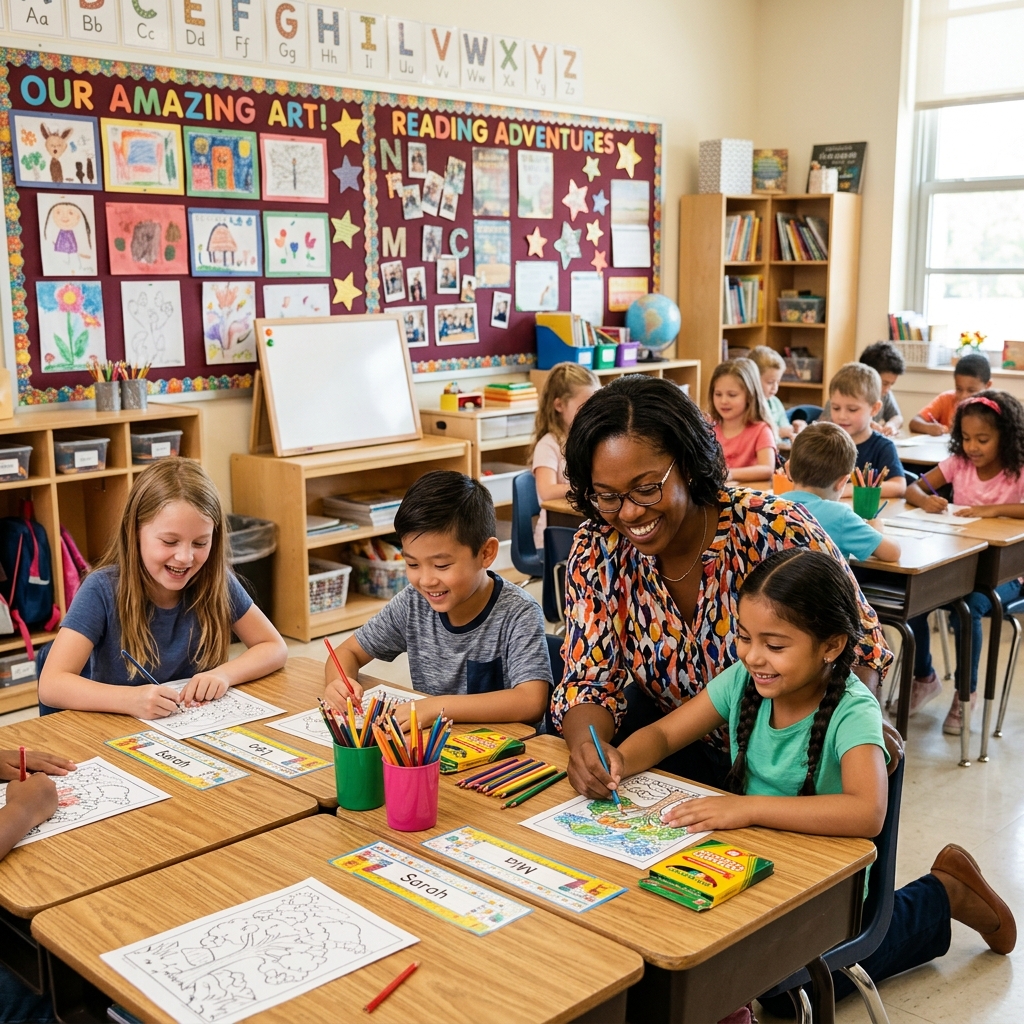
Color together! Adult coloring has its own benefits, and sharing the activity with your child creates bonding time while modeling focused, creative behavior.
Create a Coloring Station
- A flat, well-lit surface
- Organized supplies within reach
- A display area for finished artwork
Get Free Coloring Pages
Ready to start? Browse our coloring pages library with 250+ free, printable designs. Or use our AI Generator to create custom pages tailored to your child's interests.
Every coloring page is a chance for your child to grow, learn, and express themselves. Happy coloring! 🖍️
Written by Sarah Chen
Sarah is an art education specialist and the founder of ColorJoy Prints. With a background in child development and over 5 years of experience in educational content, she creates evidence-based resources that make learning fun through creative activities.