How Teachers Use Coloring Pages in the Classroom — 12 Creative Educational Ideas

If you think coloring pages are just for keeping kids quiet during indoor recess, think again. Creative educators around the world are using coloring pages as powerful teaching tools that reinforce learning, engage different learning styles, and make difficult concepts more accessible.
Here are 12 proven ways teachers use coloring pages to enhance their classroom instruction — plus free resources to get you started.
1. Vocabulary Building
Subject: Language Arts | Ages: 4-8
Print coloring pages of objects that match your current vocabulary unit. As students color, they label each item, practice spelling, and use the words in sentences.
- Students color an underwater scene with various sea creatures
- They label each animal ("starfish," "octopus," "seahorse")
- They write one sentence about their favorite animal
Our Under the Sea coloring pages are perfect for this!
2. Math Coloring by Number
Subject: Mathematics | Ages: 5-10
Create math problems for each section of a coloring page. Students solve the equation, and the answer determines which color to use. For example:
- 3 + 2 = 5 → Color the sun yellow
- 8 - 3 = 5 → Color the tree green
- 4 × 2 = 8 → Color the house red
This makes math practice feel like a fun activity rather than a worksheet. You can adjust difficulty from simple addition (grade 1) to multiplication and division (grades 3-4).
3. Science Illustrations
Subject: Science | Ages: 6-12
Use coloring pages to reinforce science concepts:
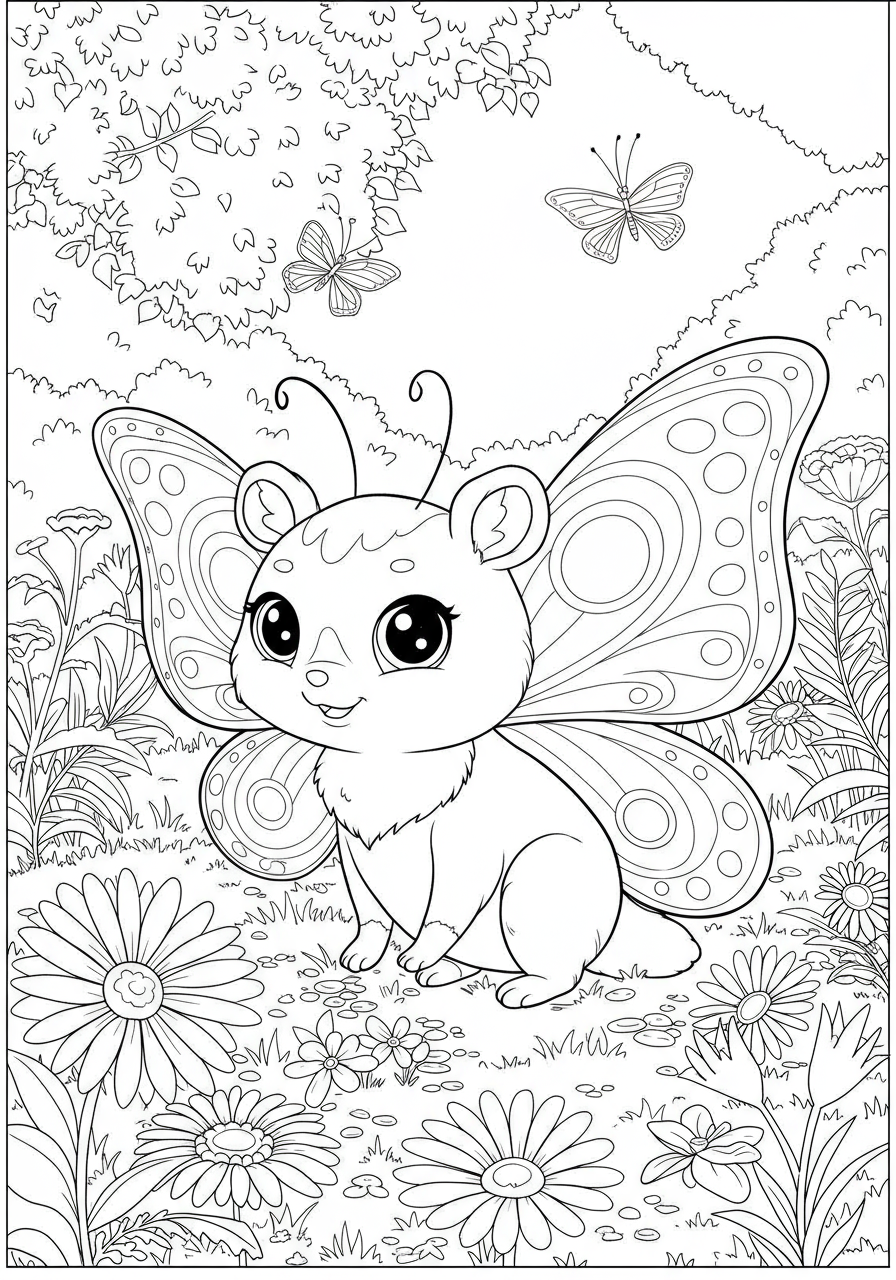
- Life cycles — Students color stages of a butterfly's life cycle
- Ecosystems — Color and label the food chain in an ocean or forest scene
- Anatomy — Color different body systems
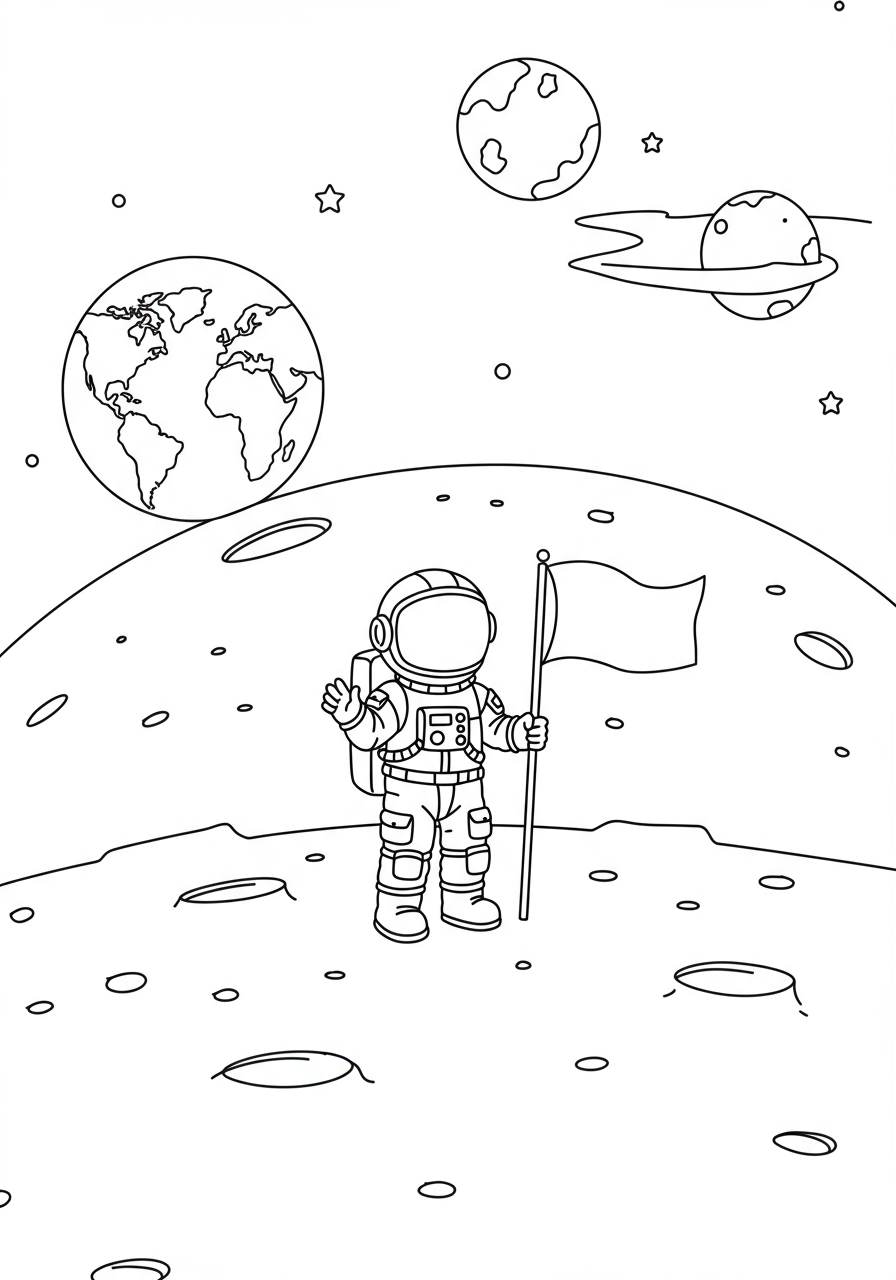
- Solar system — Color planets with scientifically accurate colors
Our animal and nature coloring pages work exceptionally well for science integration. Browse our animal collection for ready-made resources.
4. Reading Comprehension Companions
Subject: Language Arts | Ages: 5-10
After reading a story, have students color a related scene while discussing comprehension questions:
- "What happened at the beginning of the story? Color that part of the picture."
- "What color do you think the character's house should be? Find evidence in the text."
- "Draw and color what you think happens next."
The coloring keeps hands busy while minds focus on the story, which is especially effective for kinesthetic learners who need movement to concentrate.
5. Cultural Studies
Subject: Social Studies | Ages: 6-12
Coloring pages featuring scenes from different cultures help students explore diversity:
- Traditional clothing and celebrations
- Architectural styles from around the world
- Wildlife from different continents
- Historical scenes and figures
Use our AI Generator to create custom pages for specific cultural topics. Simply describe the scene and the AI will create an accurate, age-appropriate coloring page.
6. Transition Activities
Every teacher knows that transitions (moving from one activity to the next) can be chaotic. Having coloring pages ready for early finishers or during transitions keeps the classroom calm and productive.
- 20-30 pre-printed pages in various themes
- Colored pencils (less messy than markers)
- A display area for finished work
Students learn that "done" doesn't mean "nothing to do" — there's always a creative option waiting.
7. Writing Prompts
Subject: Language Arts | Ages: 7-12
Give students a coloring page and ask them to:
- Color the page
- Give the scene a title
- Write a short story about what's happening in the picture
- Describe the scene using at least 5 adjectives
This combines visual art with creative writing, engaging both the analytical and creative parts of the brain. Students who struggle with "blank page" anxiety often find it much easier to write when they have a visual starting point.
8. Foreign Language Practice
Subject: World Languages | Ages: 5-12
Coloring pages are excellent for foreign language vocabulary:
- Students color objects and label them in the target language
- Practice color names in Spanish, French, or any language ("rojo," "azul," "verde")
- Follow coloring instructions given entirely in the target language
The visual association between the image and the word reinforces memory retention far better than flashcards alone.
9. Mindfulness and SEL Activities
Subject: Social-Emotional Learning | Ages: All
An increasing number of schools incorporate mindfulness activities into the daily schedule. Coloring is one of the most accessible mindfulness tools for children:
- Start the day with 5 minutes of quiet coloring
- Use mandala coloring pages after recess to help students transition back to learning mode
- Offer coloring as a self-regulation tool when students feel overwhelmed
Our mandala coloring pages are specifically designed for this purpose.
10. Collaborative Class Projects
Subject: Art / Community Building | Ages: All
Create a class mural by having each student color one page that contributes to a larger theme. For example:
- "Our Ocean" — Each student colors a different sea creature, then assemble them on a blue bulletin board
- "Our Community" — Each student colors a building, vehicle, or person
- "Seasonal Trees" — Each student colors leaves in different autumn colors
This builds class community while creating a beautiful classroom display.
11. Assessment and Review
Subject: Any | Ages: 5-10
Turn review sessions into coloring activities:
- Create a "color when you get it right" reward system
- For each correct answer in a review game, the student earns time to color one section of their page
- Use completed coloring pages as visual aids during oral assessments
Gamifying review through coloring increases engagement and retention compared to traditional review worksheets.
12. Parent Communication
Subject: Home-School Connection | Ages: All
- Weekend activities — families color together (great for building home-school connections)
- Reading log companions — students color while being read to at home
- Holiday packets — themed pages for school breaks
Parents appreciate having a structured, screen-free activity to do with their children, and it positions you as a teacher who goes above and beyond.
Free Resources for Teachers
Pre-Made Coloring Pages
- Free to download and print — No accounts needed
- Optimized for A4/Letter paper — Perfect for classroom printers
- Available in multiple difficulty levels — From simple to detailed
Custom Pages with AI
Need a coloring page that matches your specific lesson plan? Our AI Generator creates custom pages in seconds. Just describe what you need:
- "A diagram of the water cycle with clouds, rain, and rivers"
- "A map of the solar system with labeled planets"
- "A scene from colonial America with log cabins and farms"
Teachers get 2 free pages daily on the free plan, or up to 200 pages/month with a Premium plan — perfect for creating custom resources all year long.
Create Custom Teaching Pages →
Final Thoughts
Coloring pages are one of the most underrated tools in a teacher's toolkit. They're free, flexible, adaptable to any subject, and they address multiple learning standards simultaneously.
The best part? Students never complain about getting to color. In a world of standardized testing and screen fatigue, sometimes the most powerful thing you can do for your students is hand them a coloring page and say, "Show me what you can create." 🎨
Want more teaching resources? Follow us on Pinterest where we share new educational coloring pages weekly.
Written by Sarah Chen
Sarah is an art education specialist and the founder of ColorJoy Prints. With a background in child development and over 5 years of experience in educational content, she creates evidence-based resources that make learning fun through creative activities.